Pro-Palestine March Through Melbourne CBD
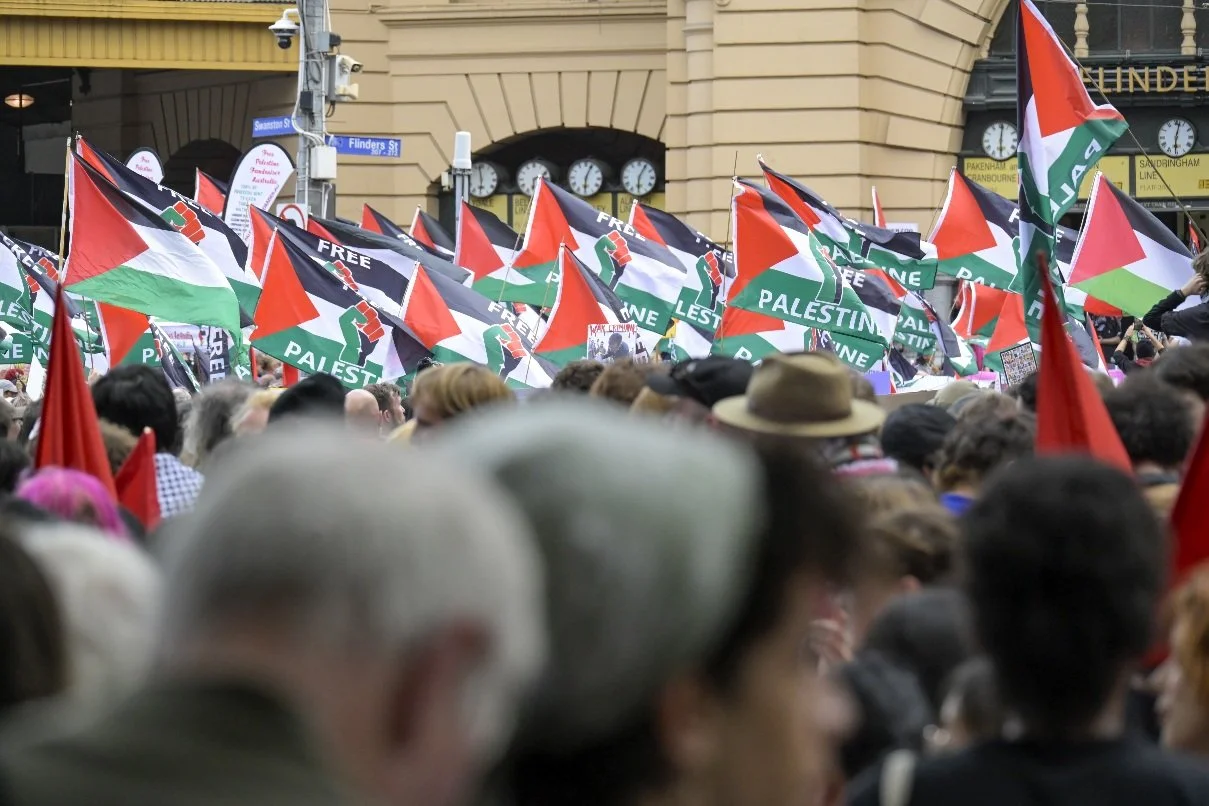
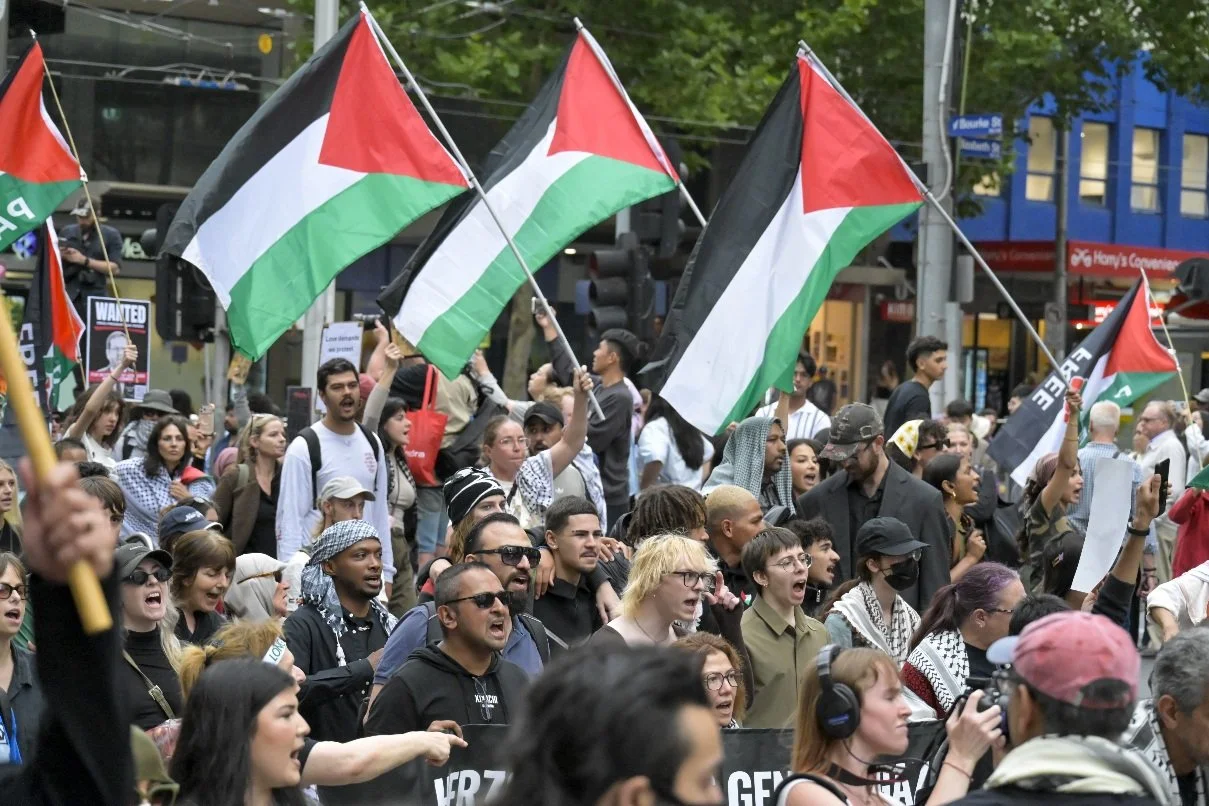
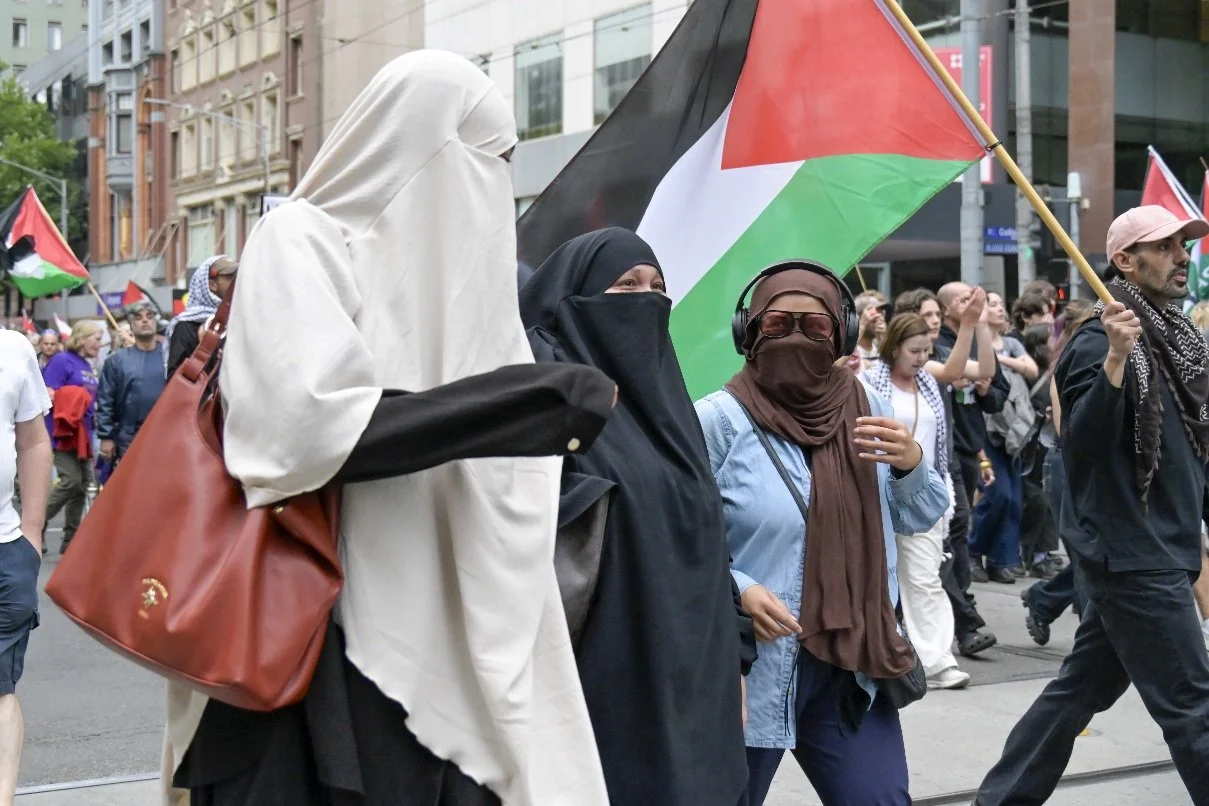
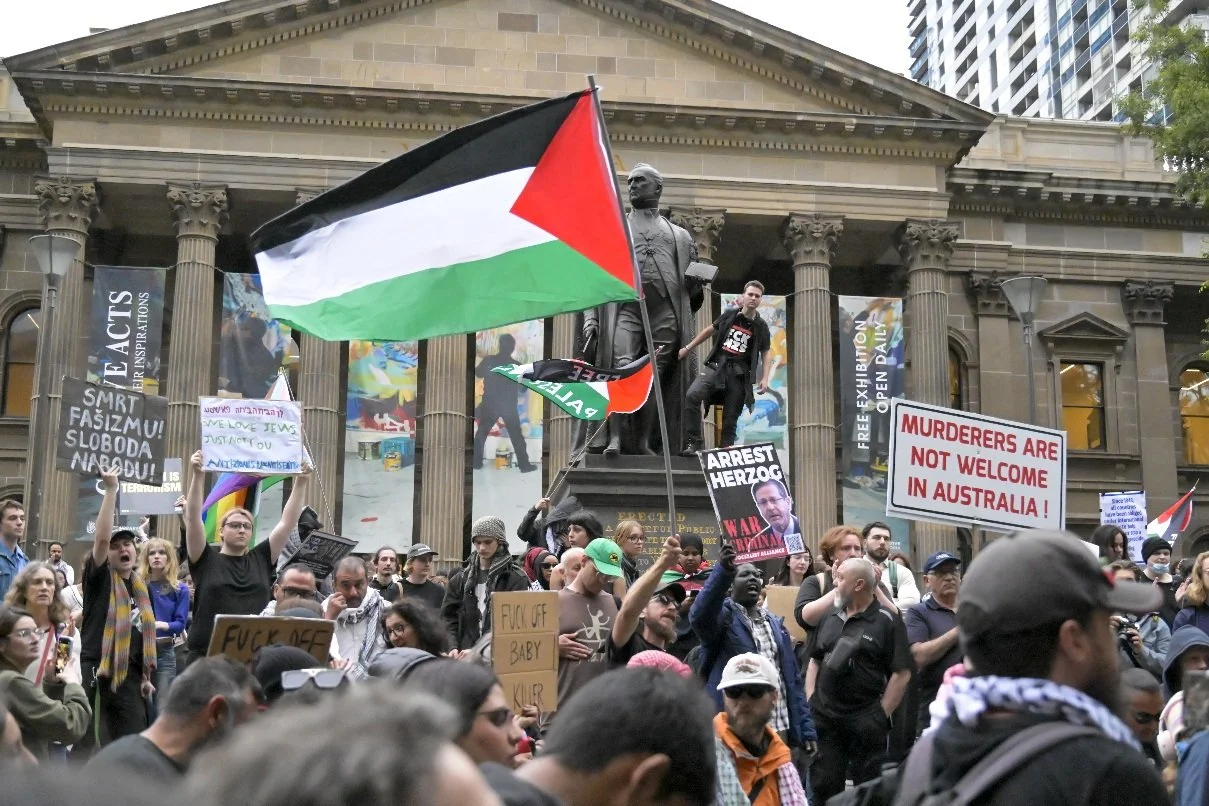
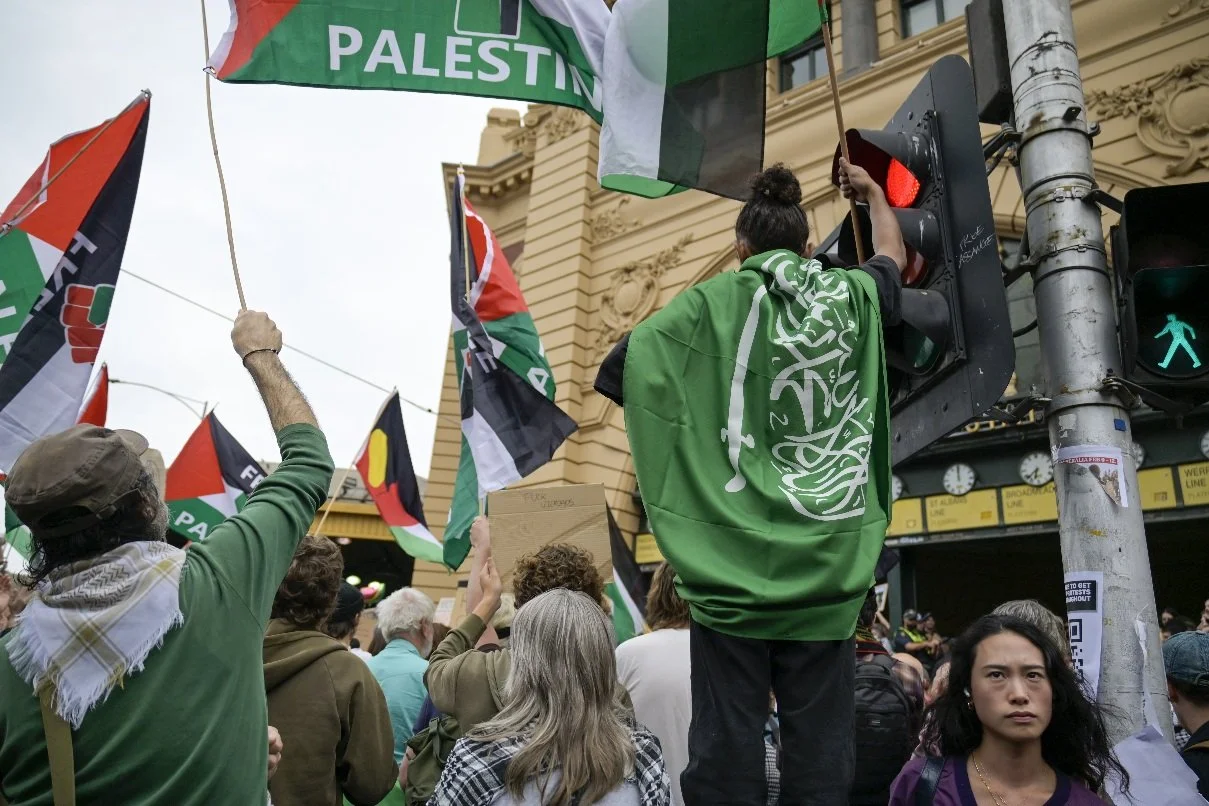
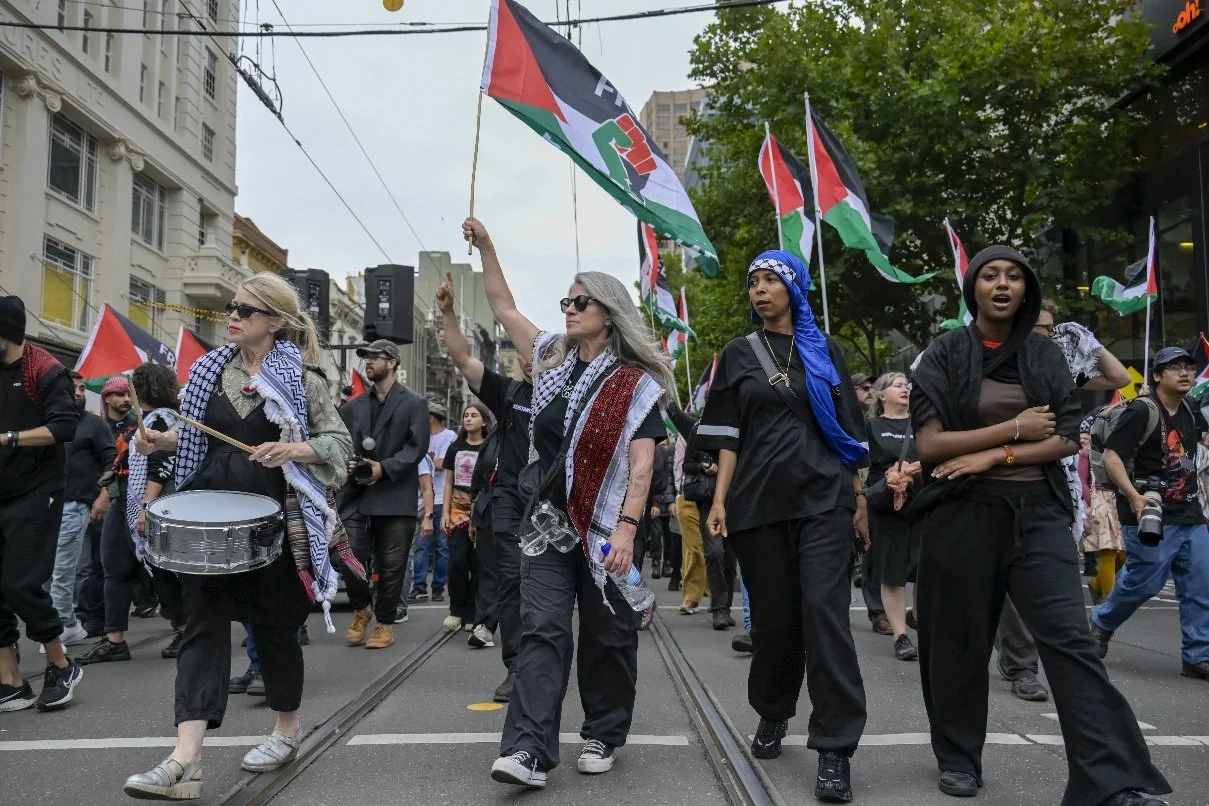
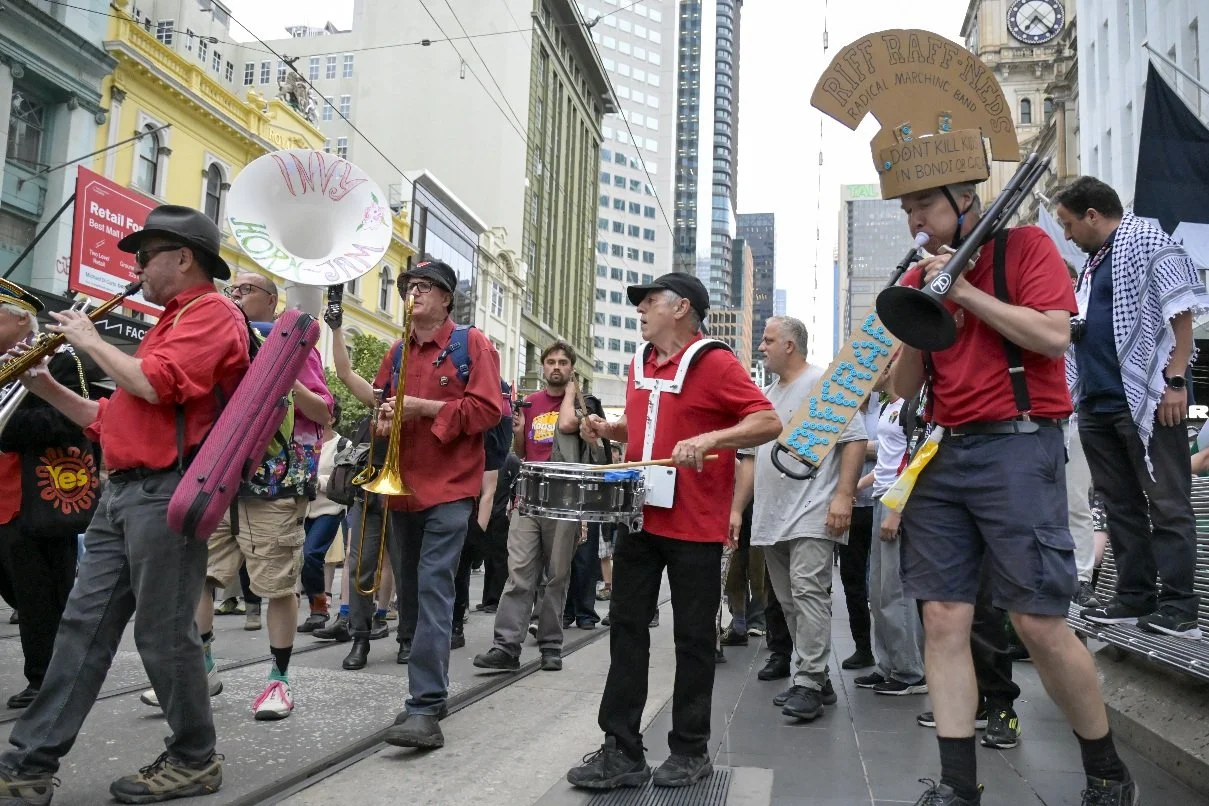
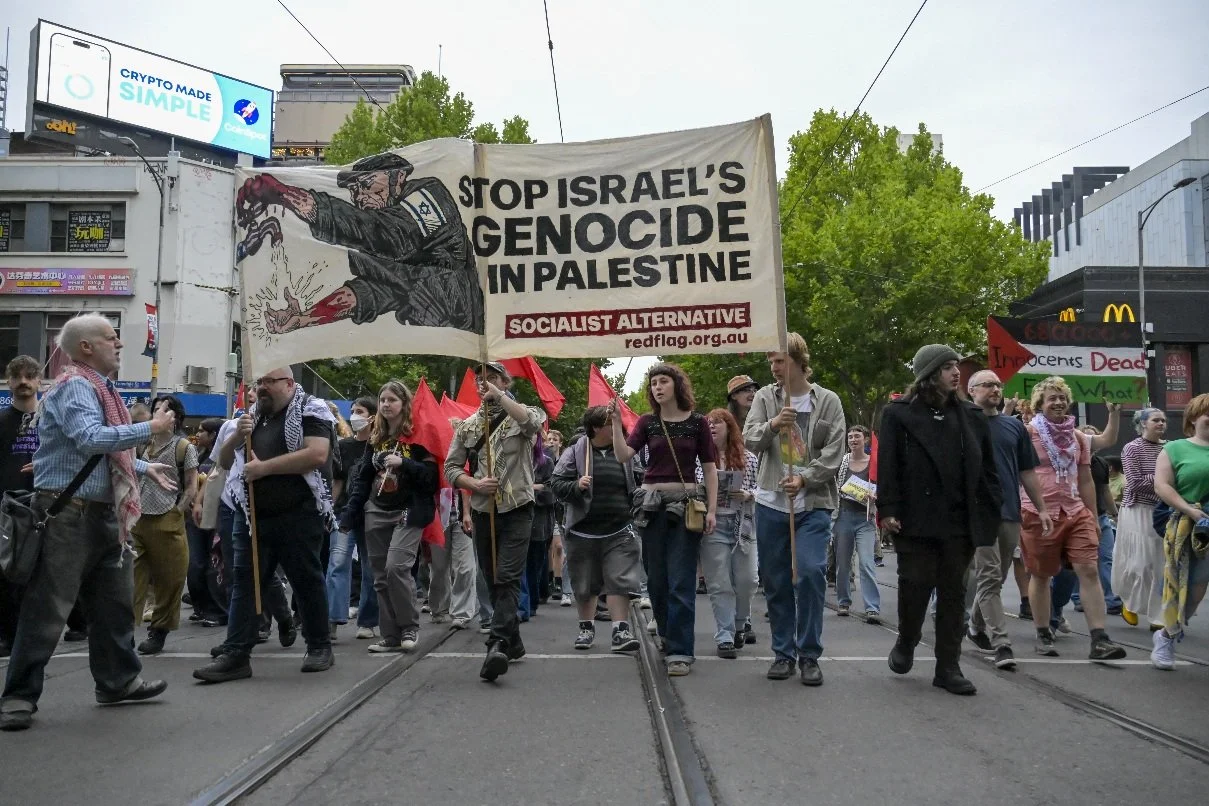
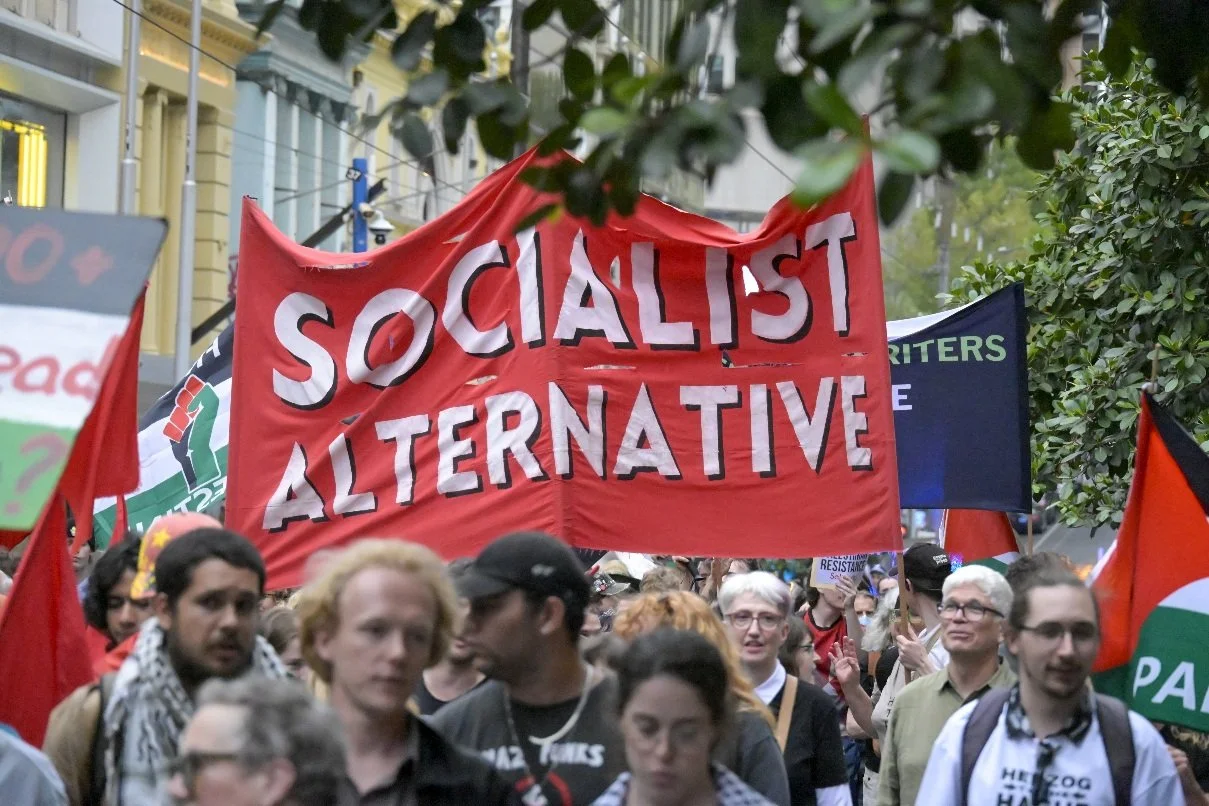
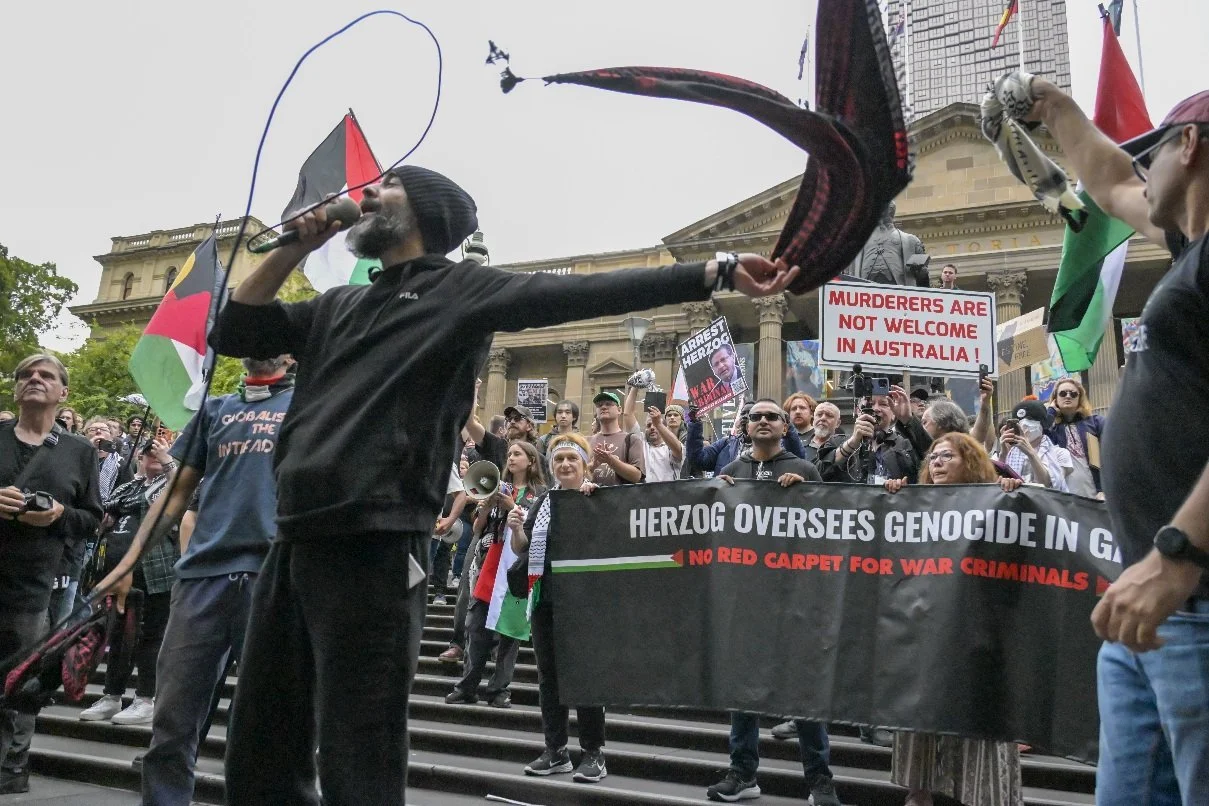
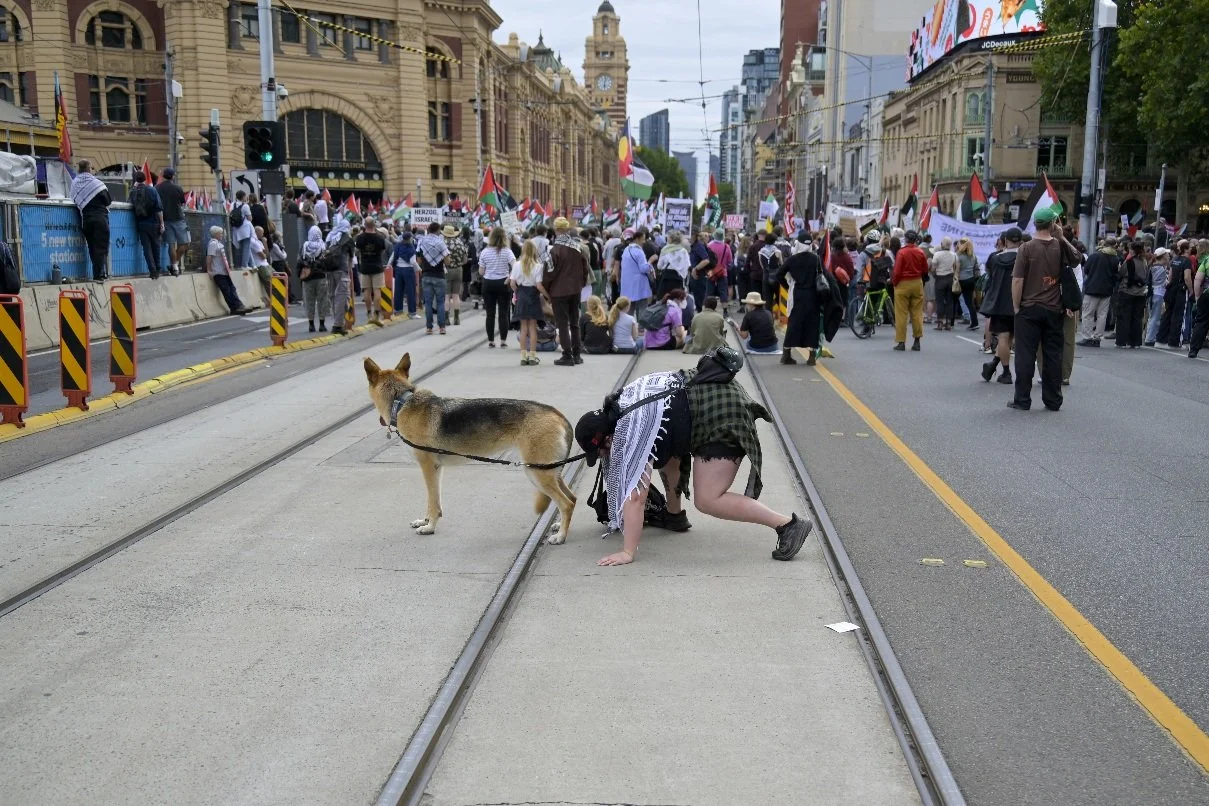
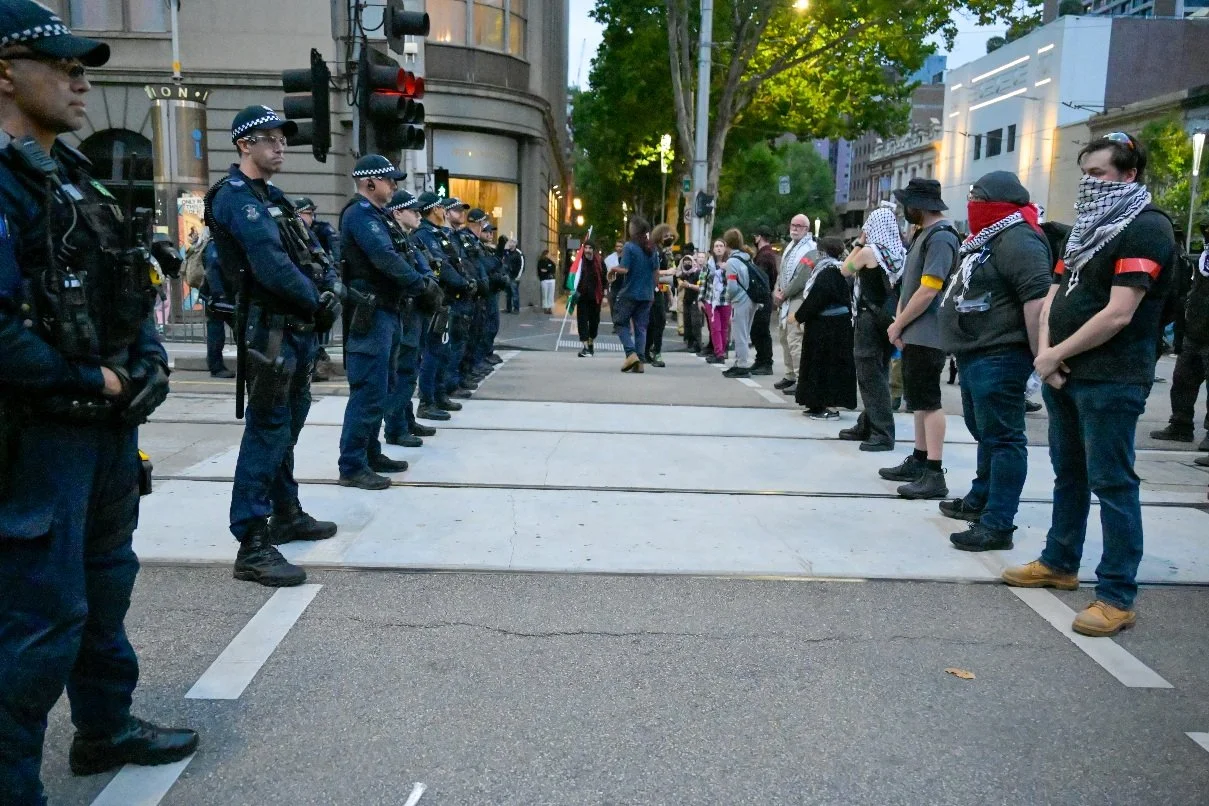
On Monday, 9 February, a protest against the arrival of the Israeli president took place in Melbourne, beginning at Flinders Street Station and continuing through the CBD before ending outside Victoria Parliament.
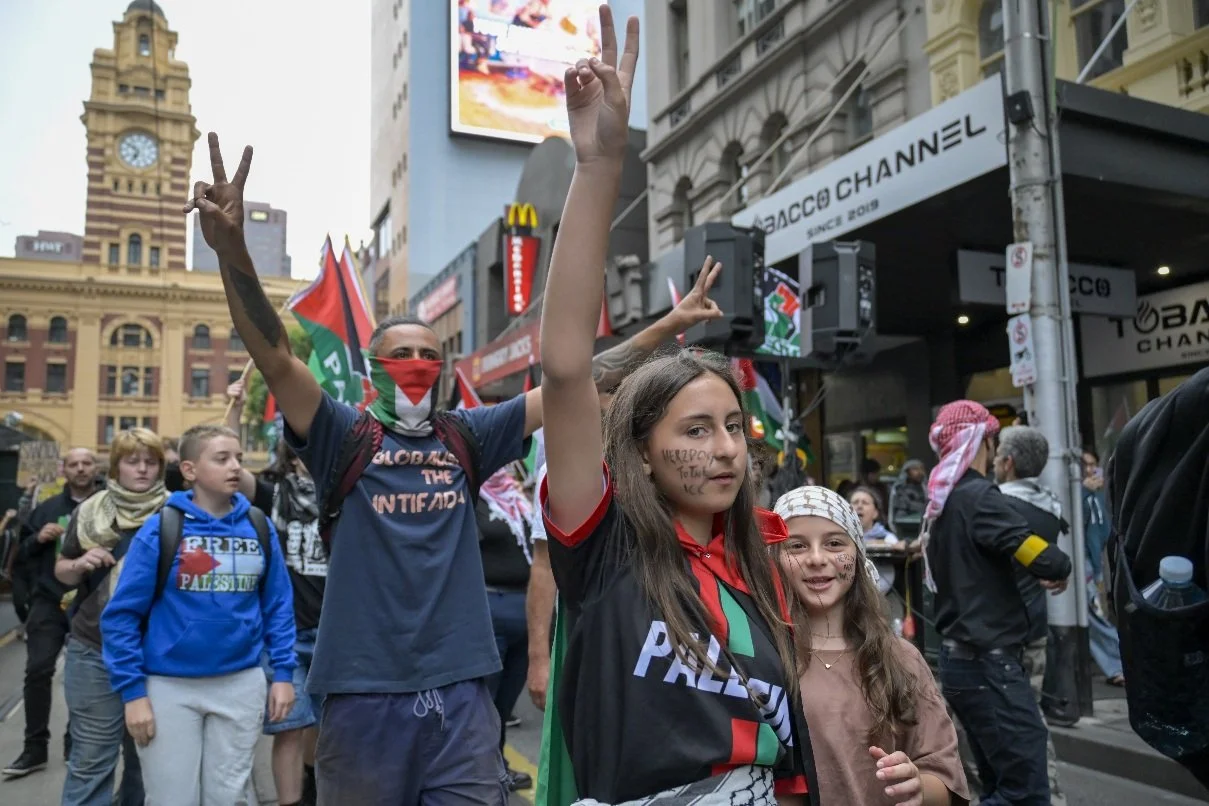
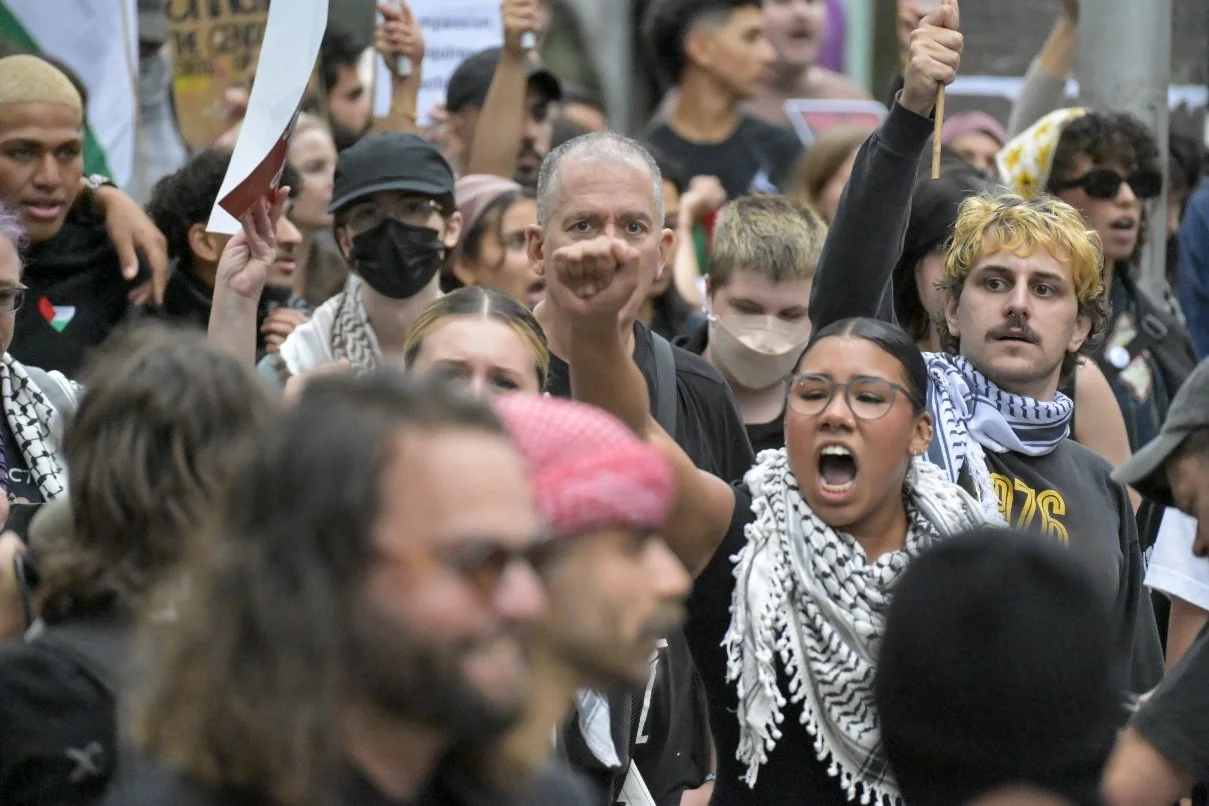
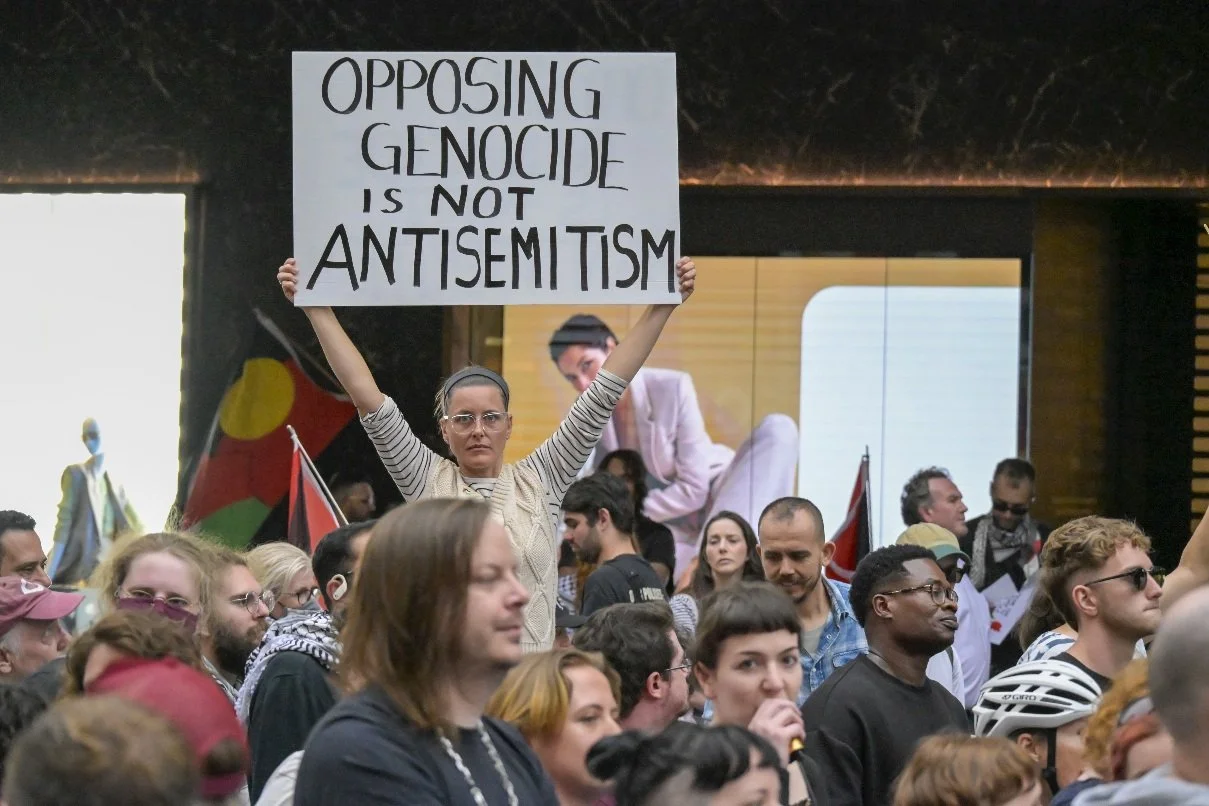
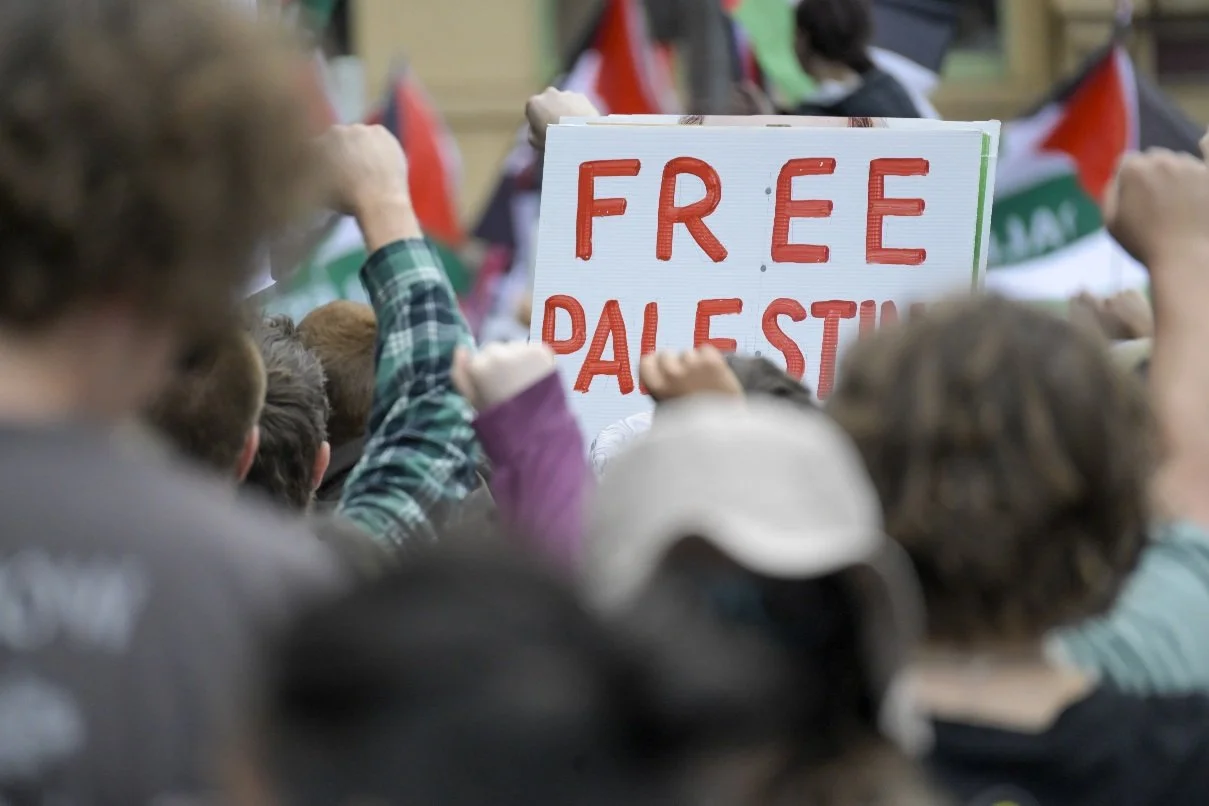
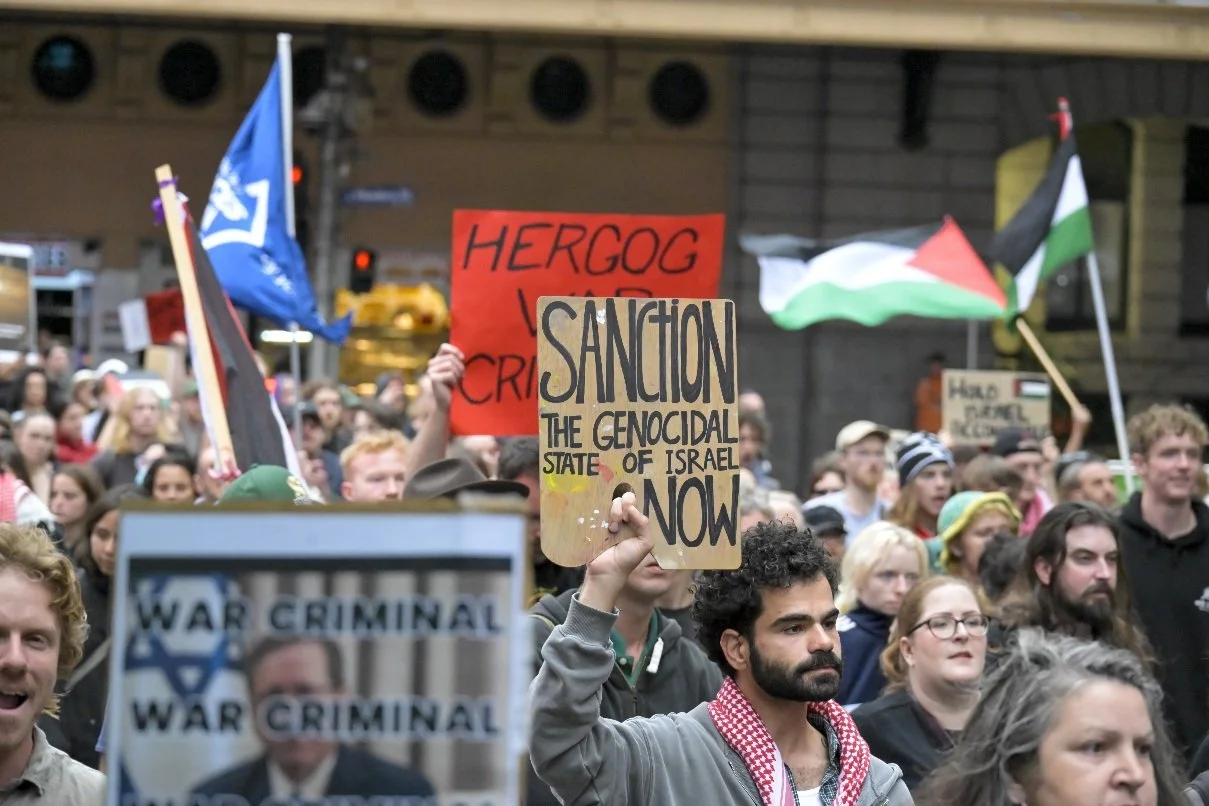
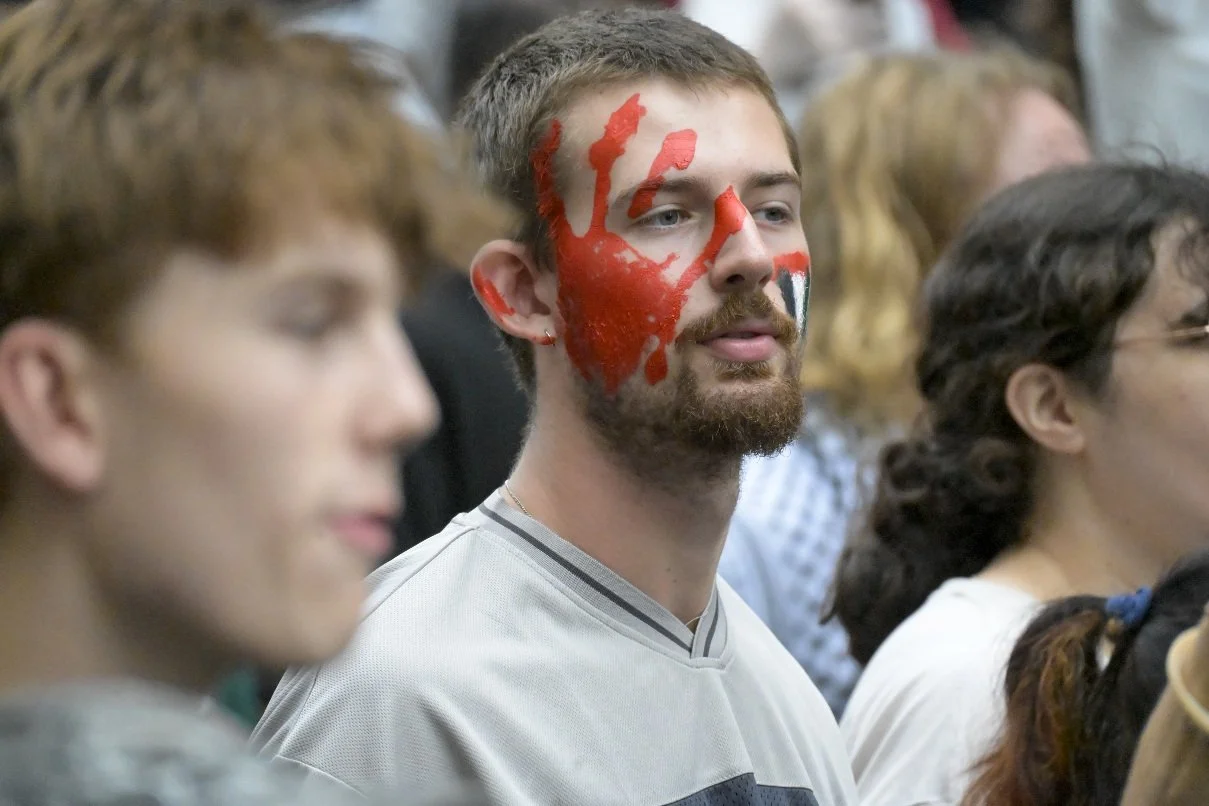
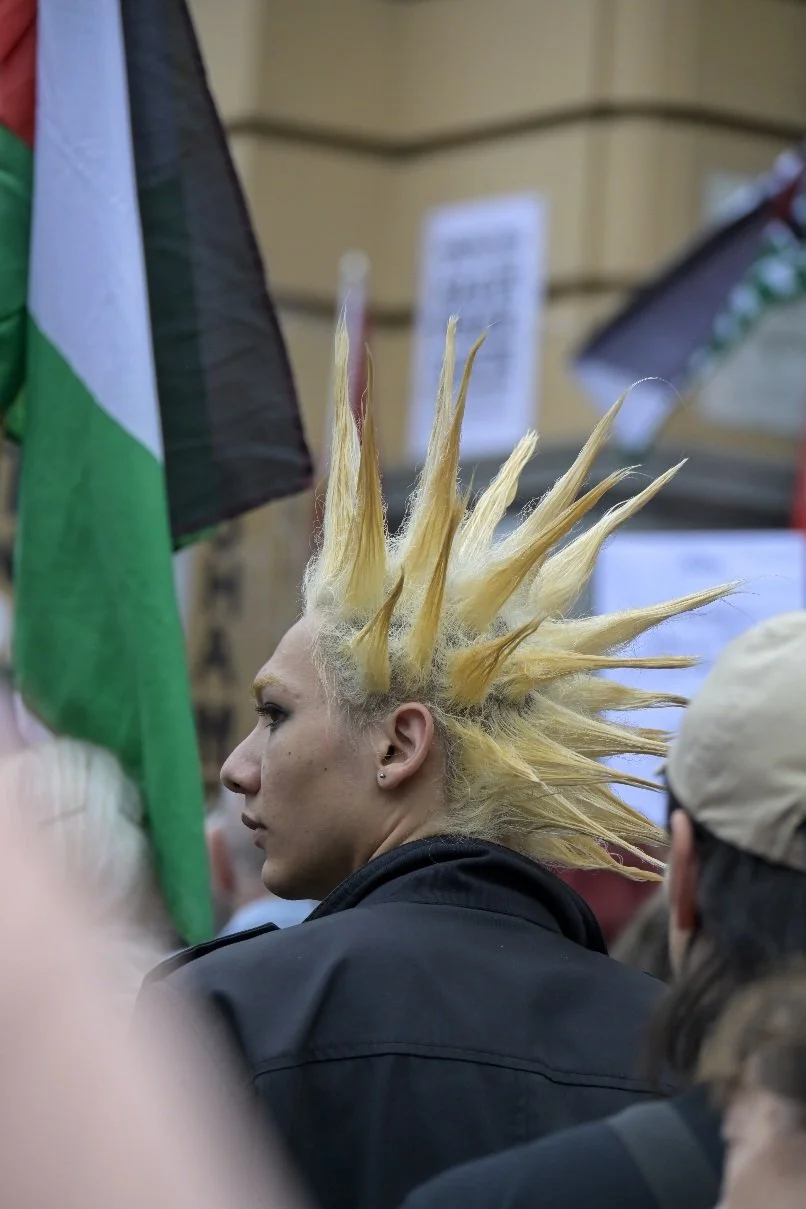
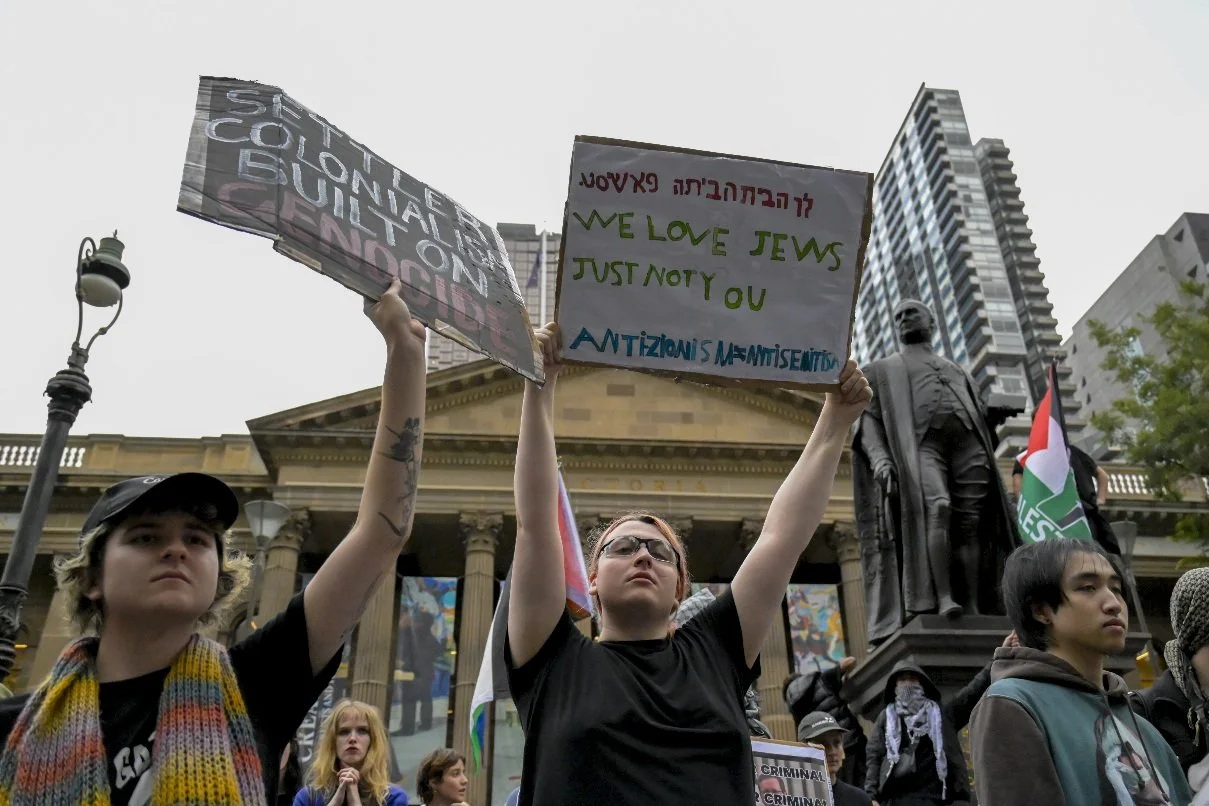
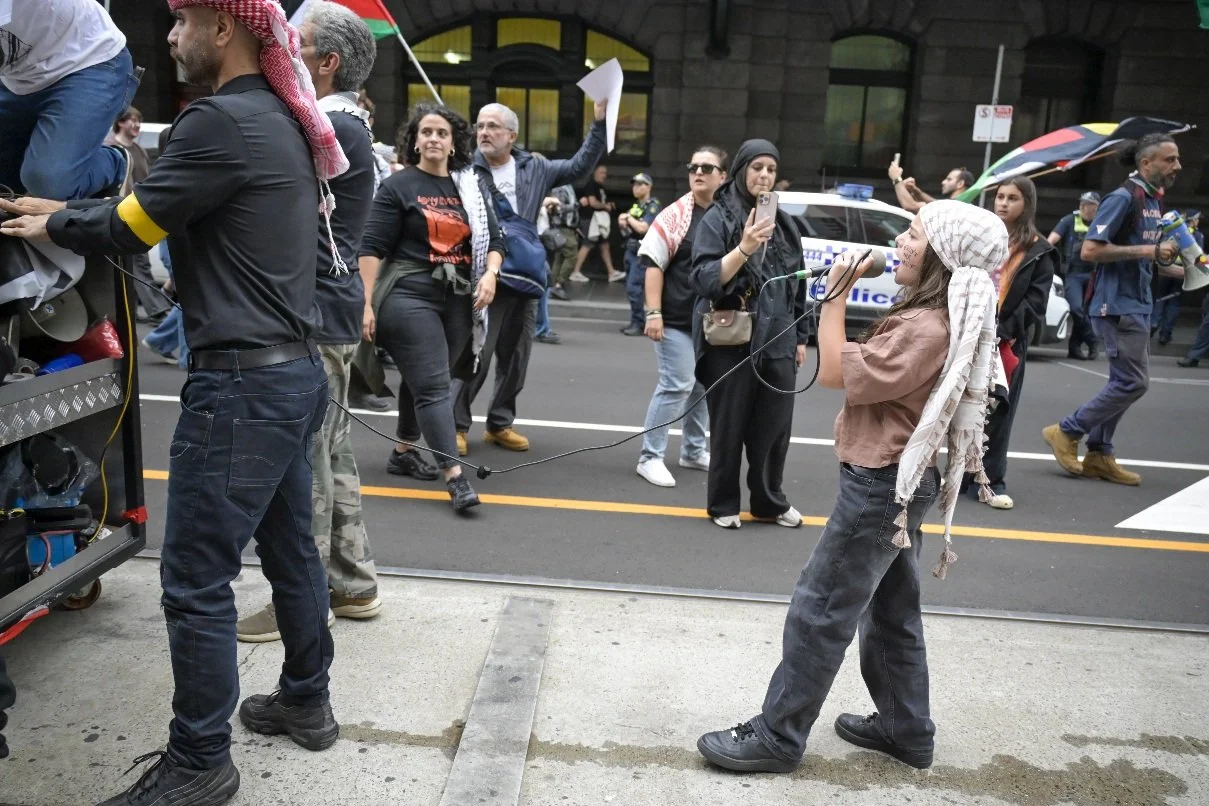
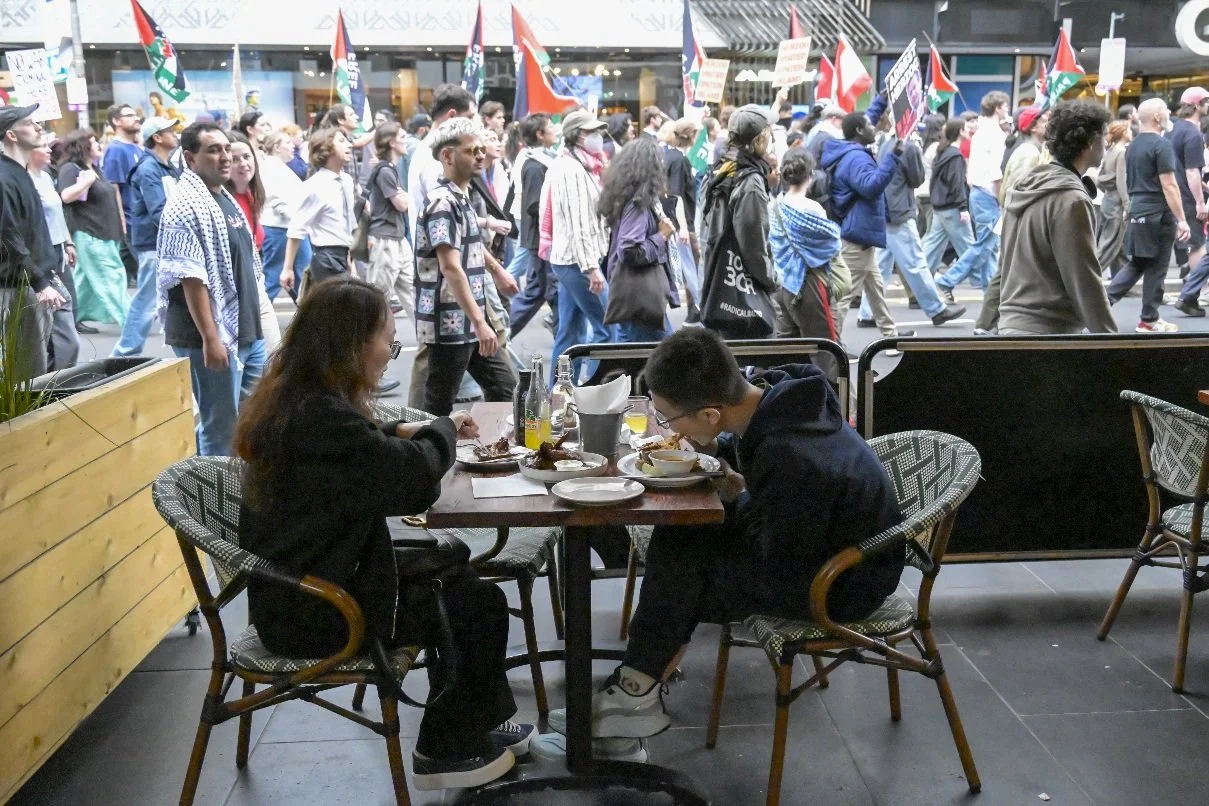
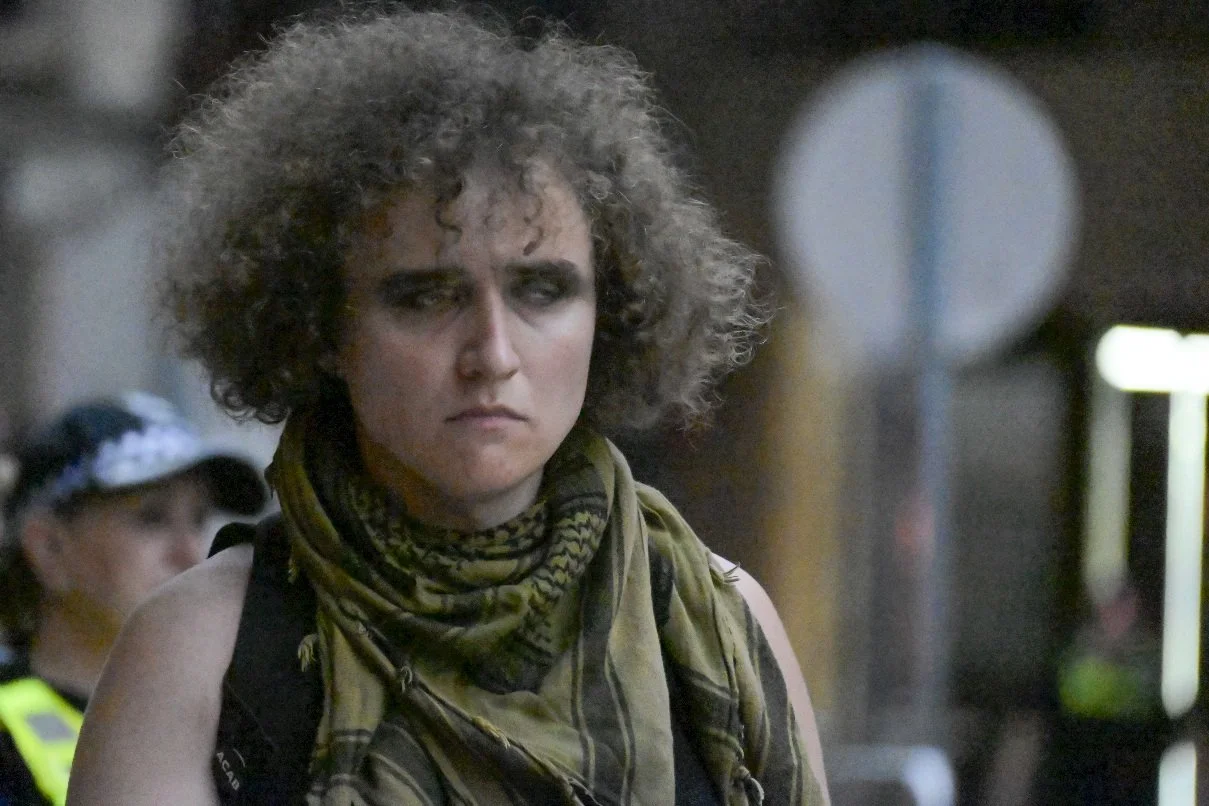
The demonstration brought together hundreds of participants, many carrying Palestinian flags, chanting slogans against Israel, and condemning Australian government support for Israel. As the march moved toward Parliament, tensions escalated.
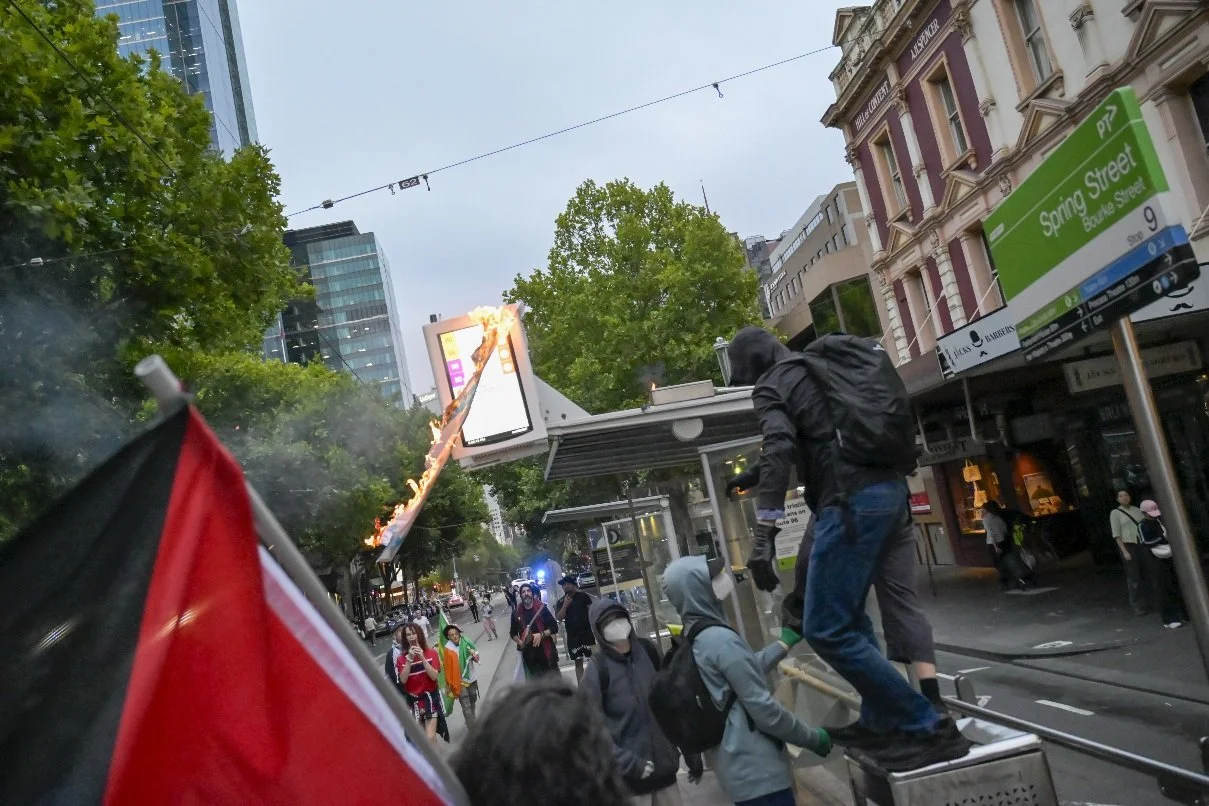
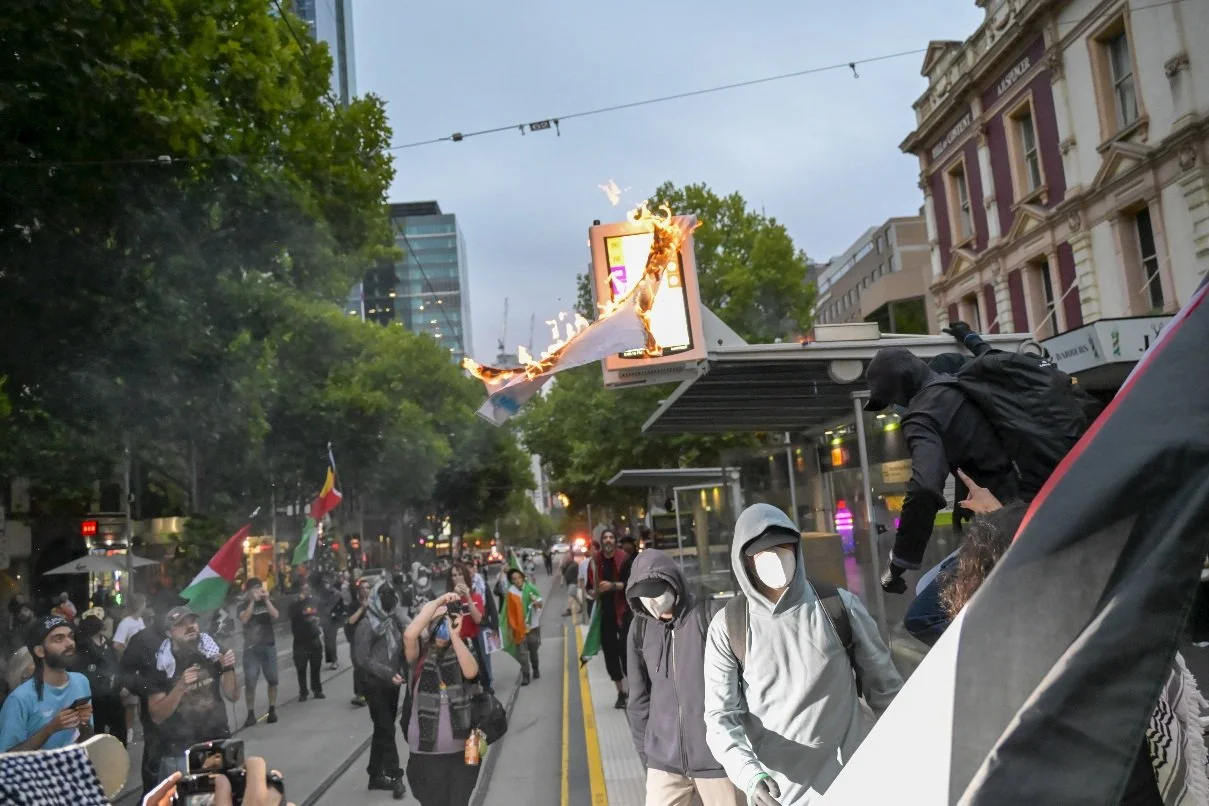
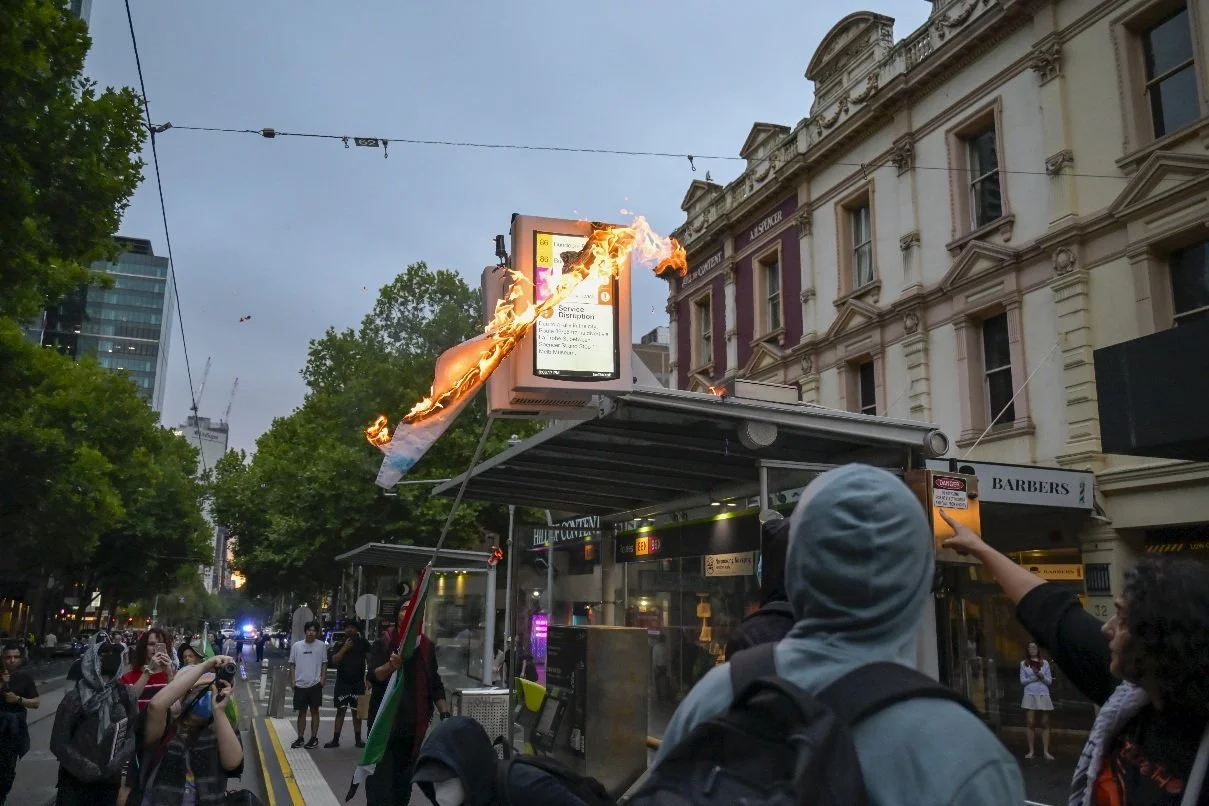
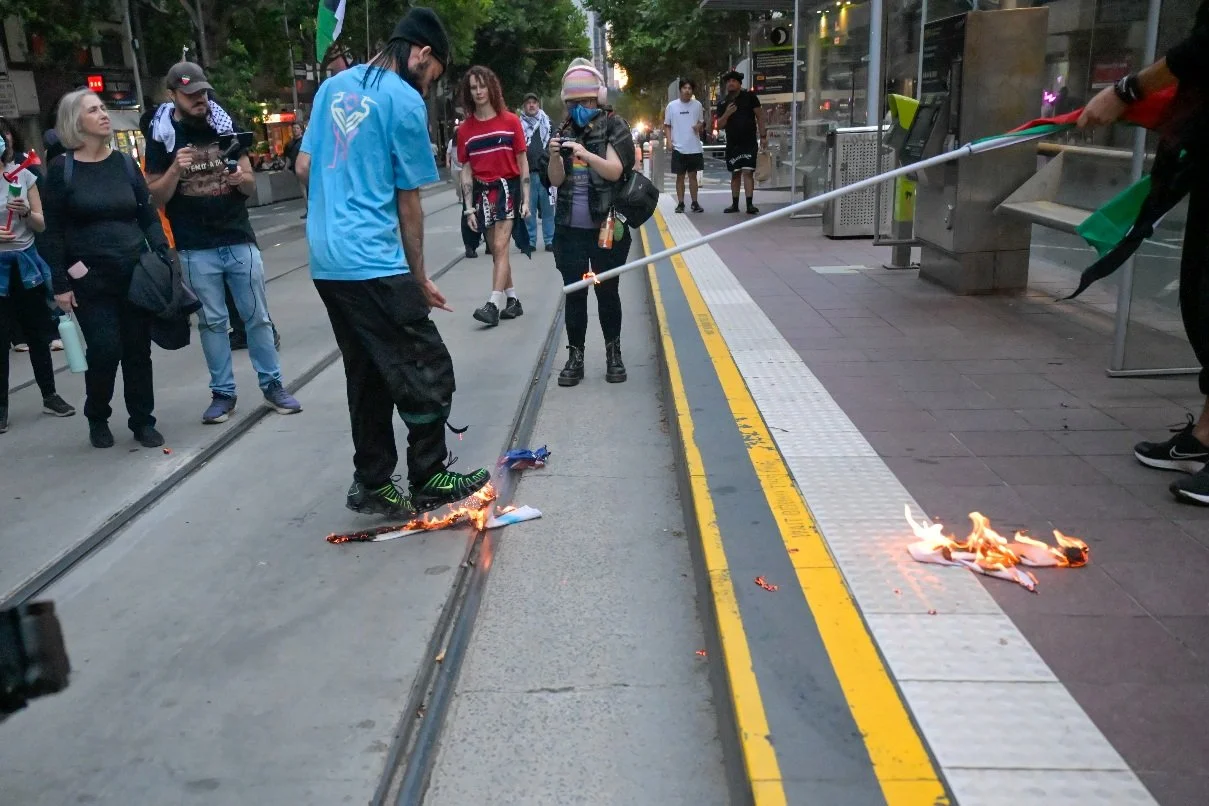
Outside Victoria Parliament, the protest turned volatile. Two individuals set fire to a placard bearing the Israeli flag, followed shortly by the Australian flag. The burning placard was then thrown onto a tram stop on Bourke Street, in an apparent attempt to ignite the station itself. Protest organisers intervened quickly and extinguished the fire before it could spread.
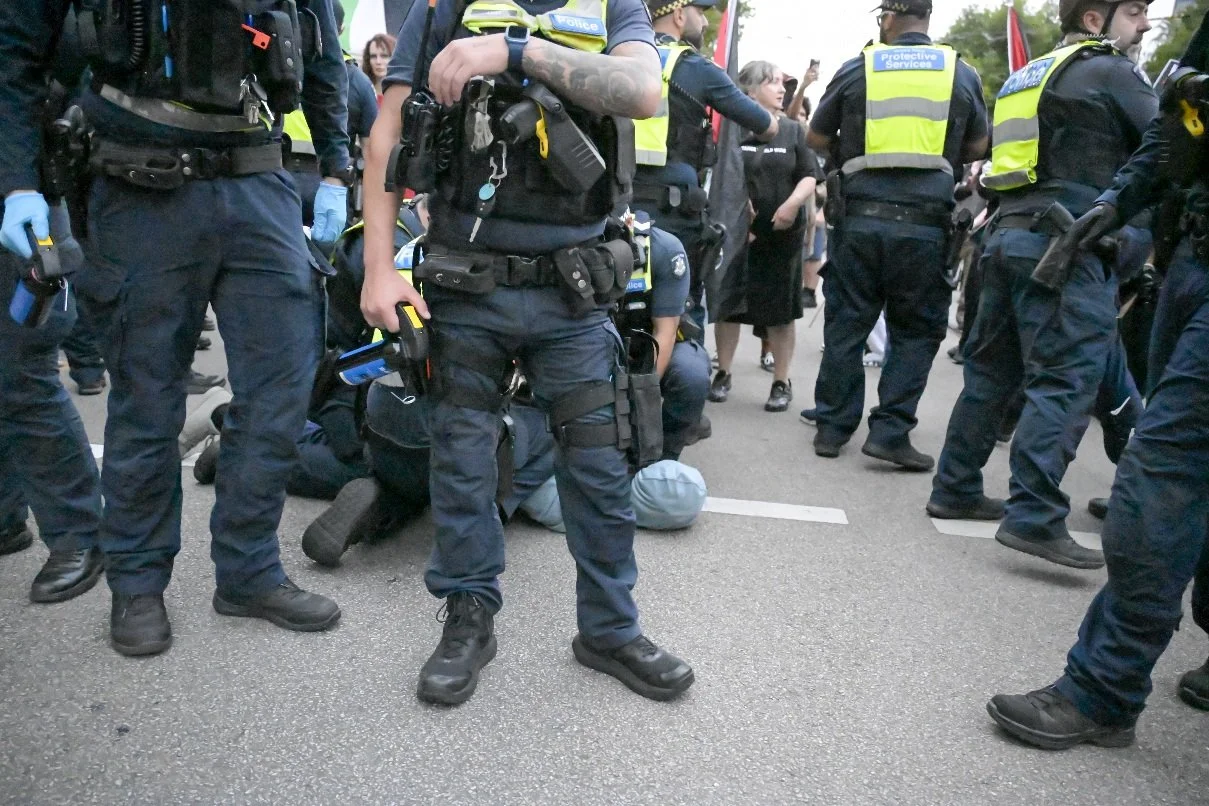
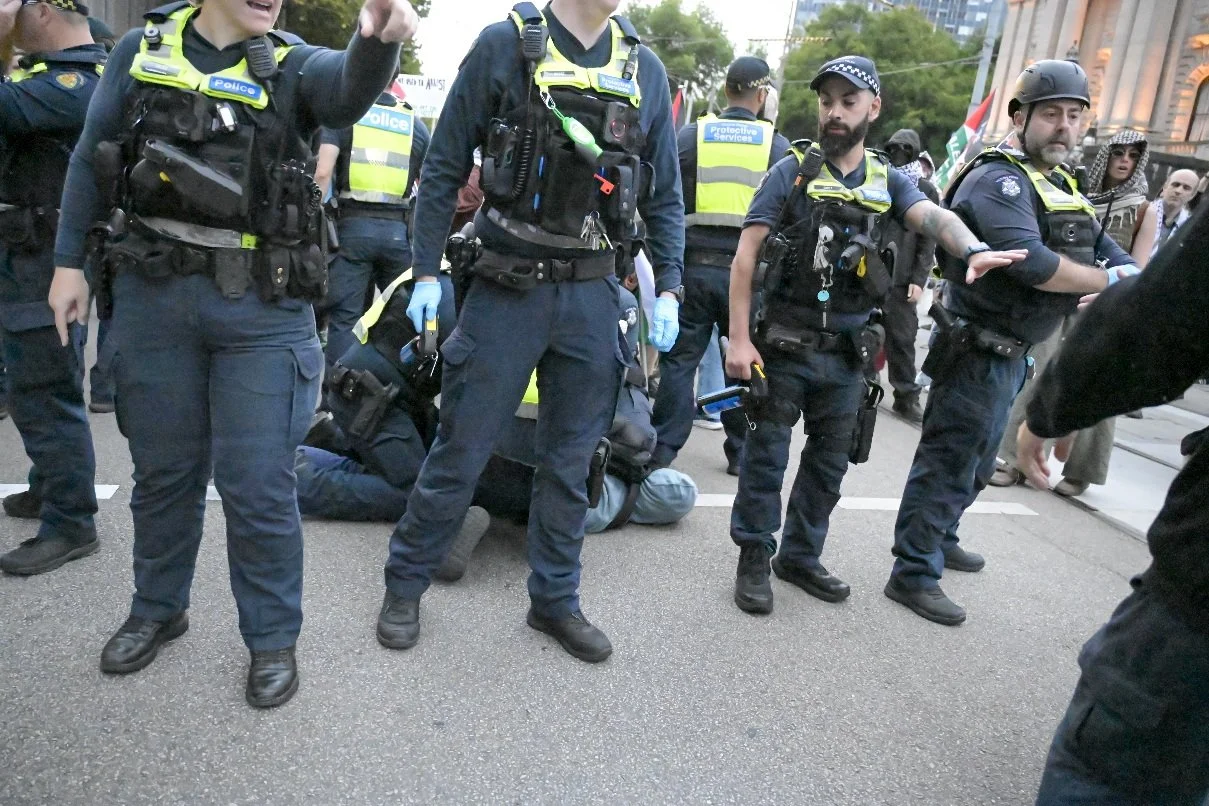
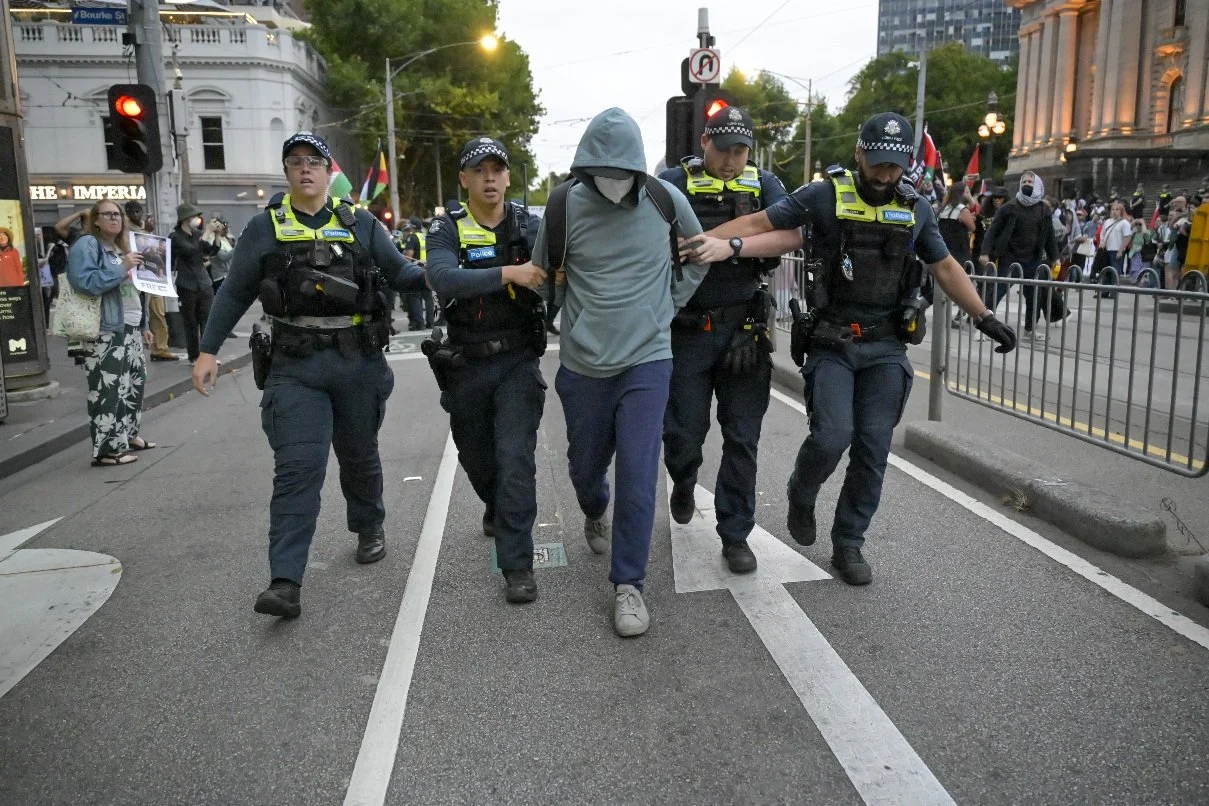
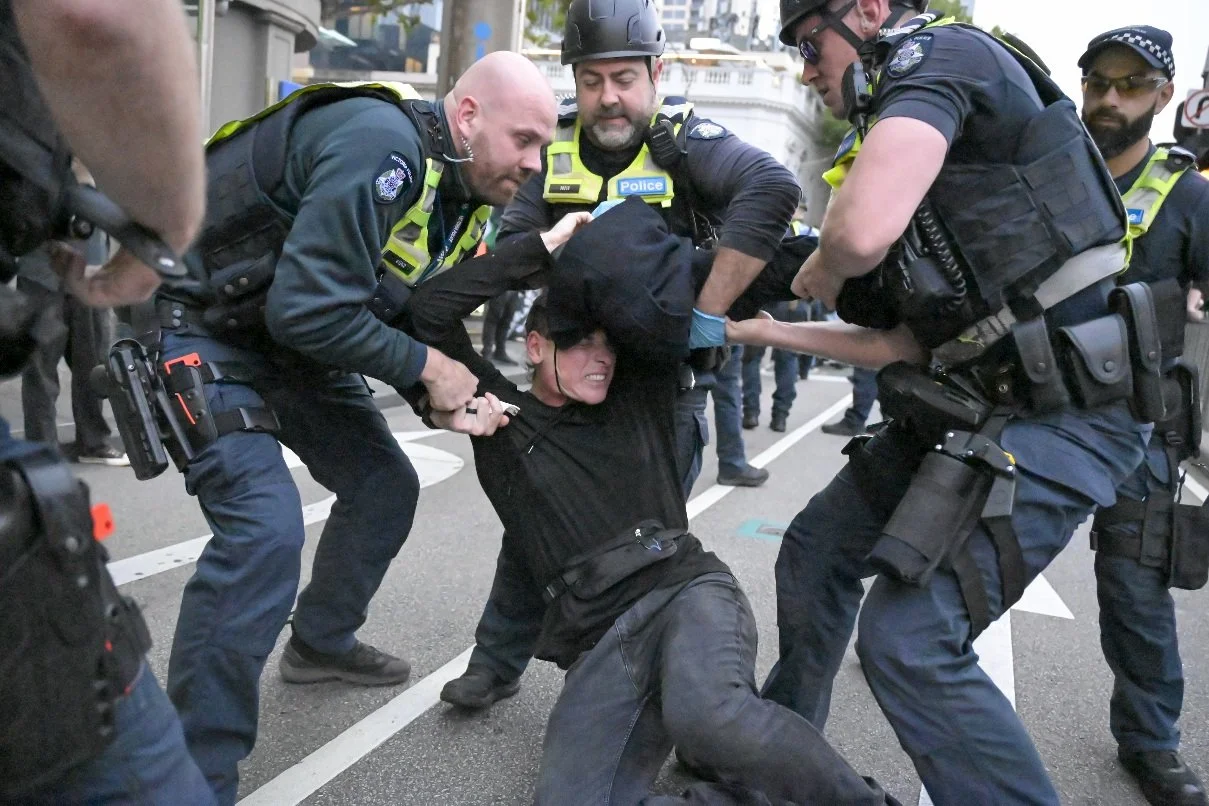
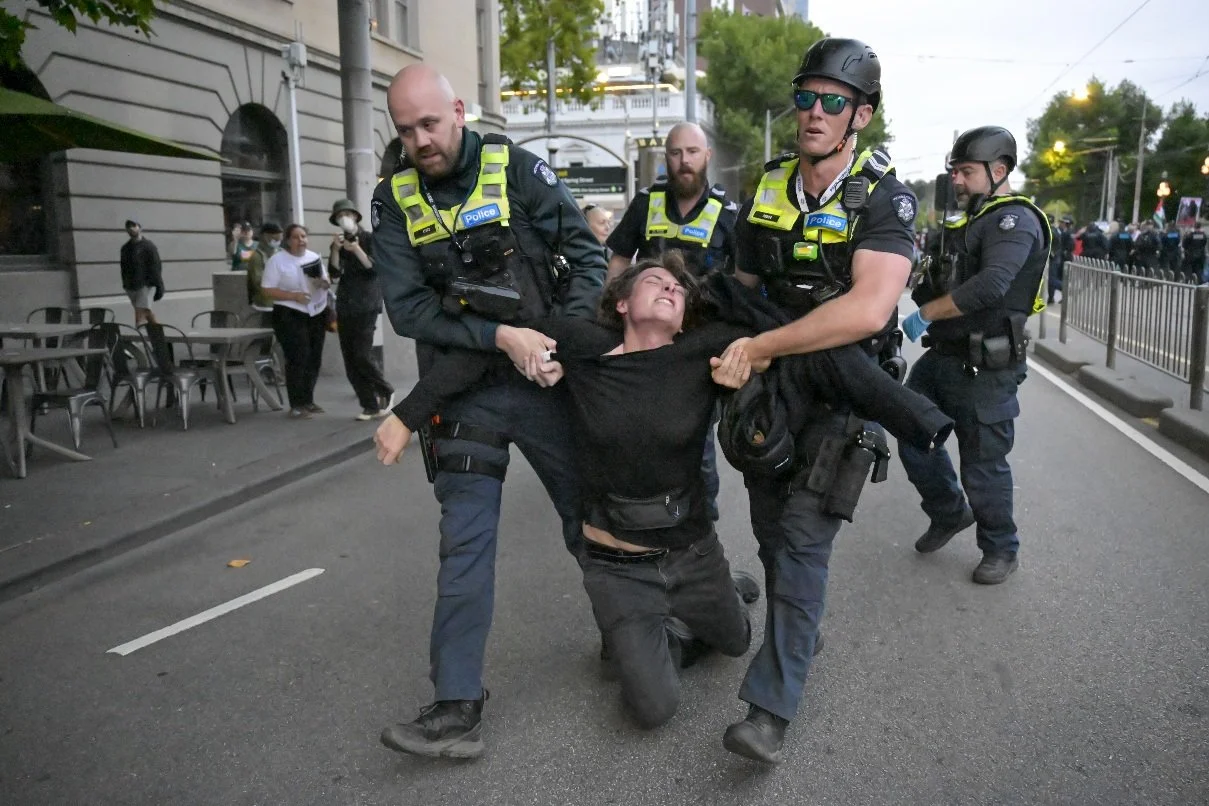
Police arrested two individuals on suspicion of involvement in the attempted arson. One police officer at the scene stated that an investigation would determine whether the individuals arrested were directly responsible for the act.
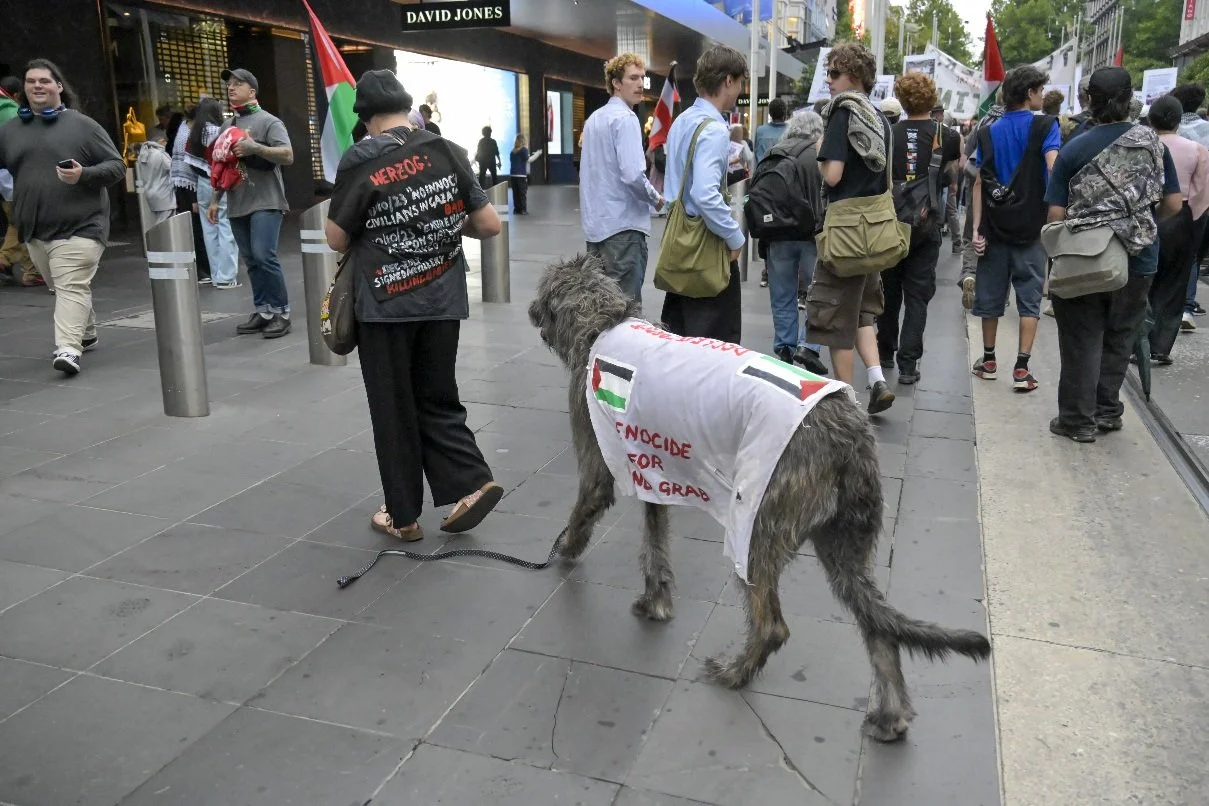
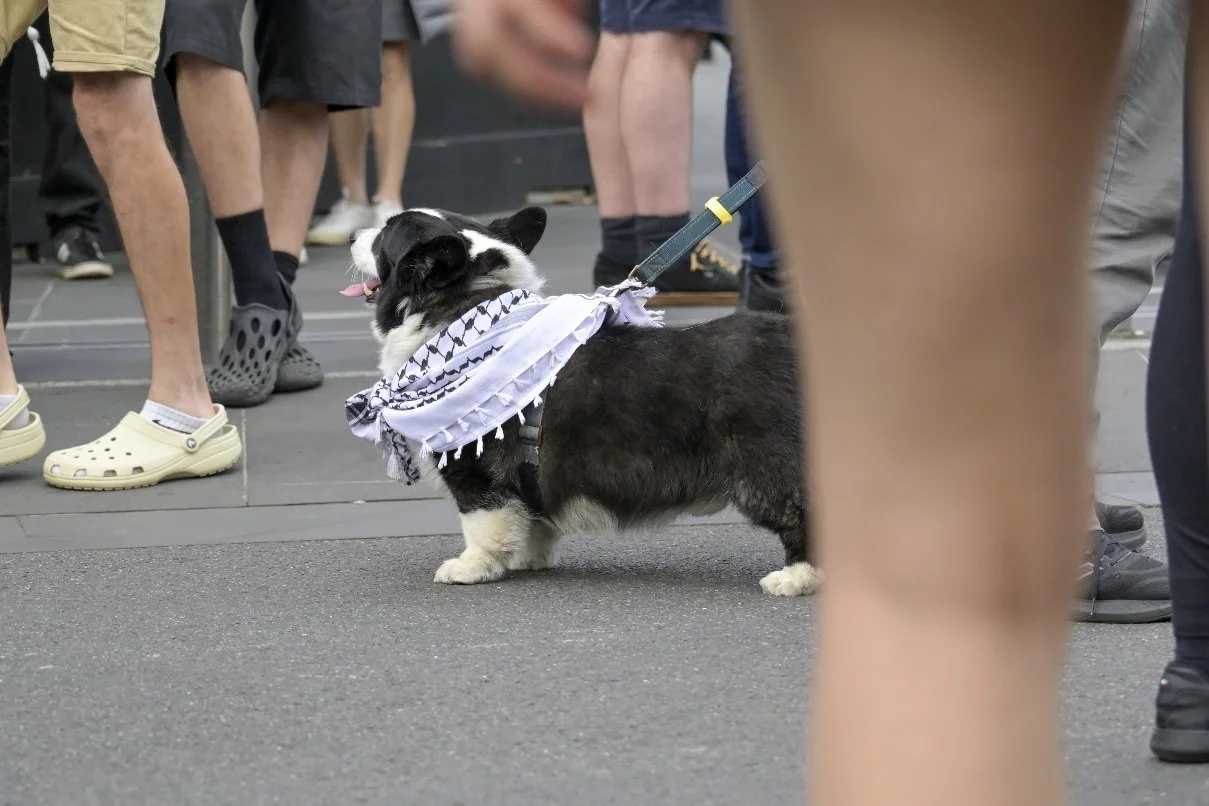
A notable feature of the protest was the presence of dogs brought by demonstrators, some with keffiyehs tied around their necks, reflecting how political symbolism extended even to animals within the crowd.
Among the crowd, individual scenes revealed the contradictions within the protest itself.
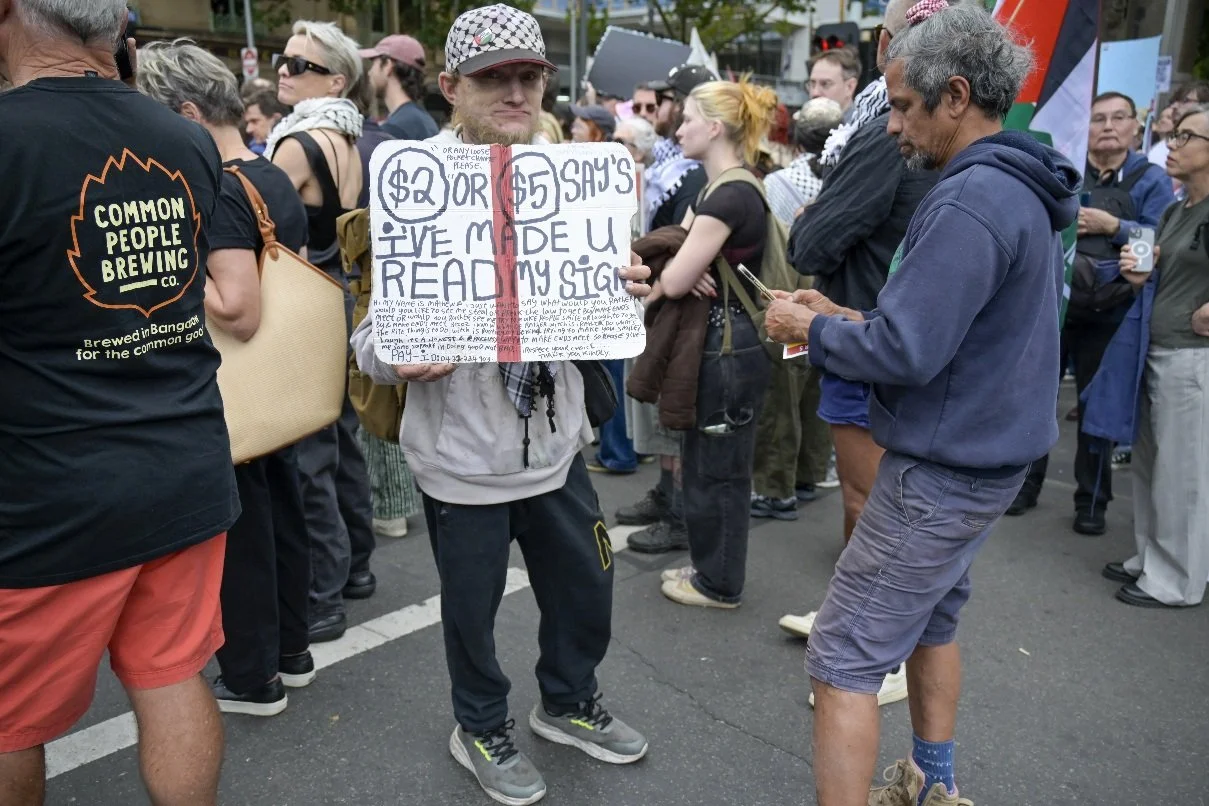
A man wearing a keffiyeh and a Palestinian flag openly asked for money during the demonstration, holding a handwritten sign designed to force engagement from passersby. Beyond the humor of the message, the image documents street begging embedded within a political protest, revealing the blurred line between activism, performance, and personal survival.
During the demonstration, I was personally targeted by several pro-Palestinian protesters, who accused me of working for the police and attempted to surround and intimidate me. The situation escalated to the point where there was a clear intent to attack once police presence diminished.
Intervention by Legal Observers, identifiable by their red vests, prevented the situation from worsening. Their presence acted as a deterrent, and those targeting me did not proceed further. Protesters were overheard stating that they were waiting for police to leave the area outside Parliament before acting.
Legal Observers are independent volunteers whose role is to monitor police conduct during protests, document arrests and interactions, and provide legal accountability—not to intervene directly, but to ensure transparency and protect the rights of all parties present.
This photo documentary captures not only the political message of the protest, but also its internal contradictions, moments of volatility, and the fragile boundary between collective activism and individual action in public space.
Each photograph has its own dedicated page with detailed information, licensing options, and digital download. Click on any image to continue.